Building Technical Expertise Through Hands-On Game Mechanics
Why We Focus on Mechanics First
Most game development courses start with engines and frameworks. We took a different path. Since 2021, our seminars have centered on the underlying mechanics—physics simulation, collision detection, state machine logic, and procedural systems—because understanding these fundamentals changes how you approach any project.
Our instructors write production code daily. They've debugged rigid body dynamics at 2 a.m., optimized spatial partitioning for thousands of entities, and built custom physics solvers when off-the-shelf solutions fell short. That experience shapes every seminar session.
Participants work through actual implementation challenges: calculating contact manifolds, resolving penetration constraints, designing responsive character controllers. You'll see why floating-point precision matters, when to use impulse-based versus constraint-based solvers, and how to profile physics systems that run at 240 Hz.
Our approach emphasizes iterative problem-solving over rote memorization. You learn by implementing systems, testing edge cases, and refining solutions—the same process professional teams use.
The People Behind the Sessions
Technical depth comes from real-world experience across different domains

Livia Aaltonen
Physics Systems Lead
Livia spent six years optimizing collision systems for AAA racing simulators before transitioning to education. She specializes in continuous collision detection, swept volume testing, and hybrid broadphase strategies. Her seminars cover practical implementations of GJK, EPA, and SAT algorithms with performance profiling techniques.
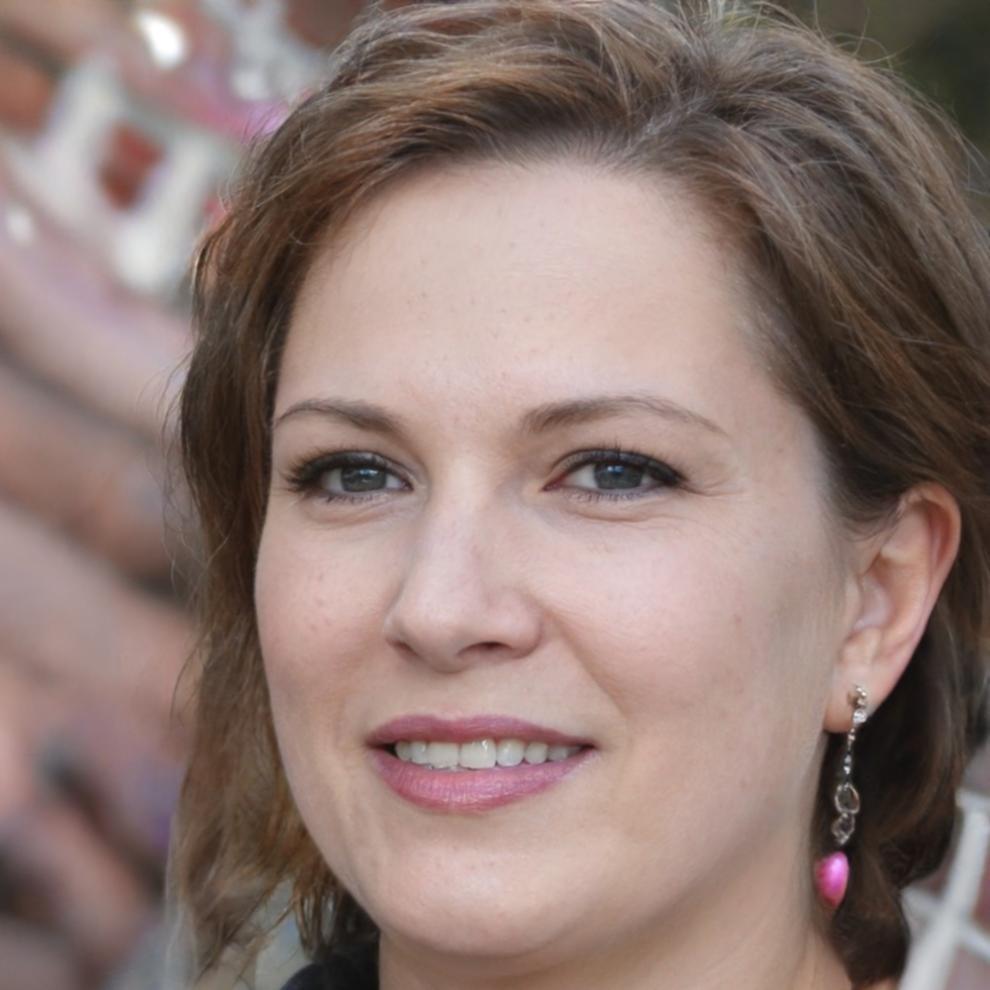
Saskia Vos
Procedural Systems Architect
After building procedural generation pipelines for open-world projects, Saskia now teaches techniques for constraint-based level assembly, weighted random distribution, and coherent noise implementation. Her sessions explore practical applications of Perlin, Simplex, and Worley noise in terrain generation and texture synthesis.
How Technical Learning Actually Works
We structure seminars around concrete problems with measurable outcomes. Each session builds on practical implementations rather than abstract concepts.
Implementation-Focused Sessions
Sessions start with a specific mechanic to implement—spring-based camera systems, swept sphere collision, or procedural animation blending. You write code, encounter edge cases, and refine solutions based on test results.
Collaborative Problem Analysis
Small group formats allow detailed discussion of implementation approaches. Participants share debugging strategies, compare performance profiles, and analyze trade-offs between different algorithmic choices in real production contexts.
Incremental Skill Building
Topics progress from fundamental concepts to complex systems. Master vector mathematics and transformation hierarchies before tackling inverse kinematics. Build basic state machines before implementing behavior trees with contextual reasoning.